The Surcharge Matrix in Ocean Freight: Impact from Middle East Geopolitical Tensions
Bunny > News > The Surcharge Matrix in Ocean Freight: Impact from Middle East Geopolitical Tensions
Cost pressure on import-export businesses today is no longer driven solely by ocean freight rates, but increasingly by a complex structure of surcharges.
Amid rising geopolitical tensions in the Middle East, many shipping lines have introduced additional surcharges to reflect operational risks across international shipping routes.
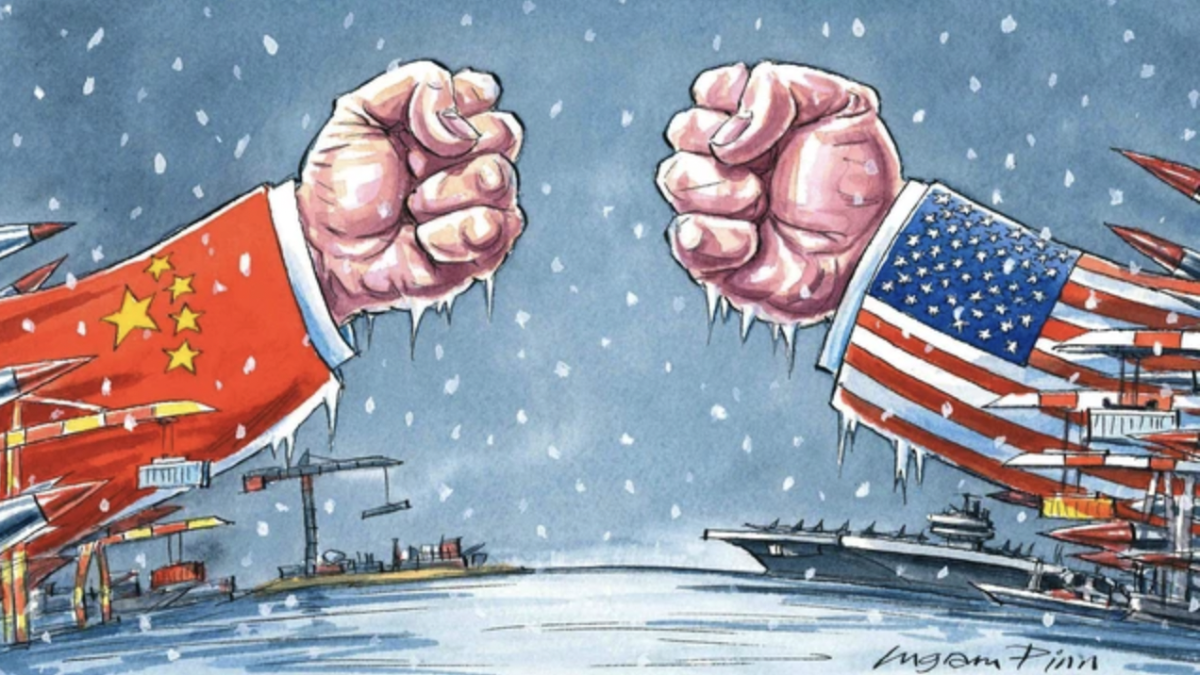
One notable charge is the War Risk Surcharge (WRS), applied to routes passing through high-risk areas. In certain cases, this surcharge can reach up to USD 2,000 per container, depending on the trade lane and market conditions.
In parallel, fuel-related surcharges (such as BAF / EBS / FSC) are also being adjusted upward by most carriers to offset the surge in global oil prices. These charges vary by carrier, route, and fuel consumption characteristics of each voyage.
For many Vietnamese exporters—particularly those in agricultural sectors such as coffee, pepper, and processed goods targeting Middle Eastern markets—the increase in these surcharges is significantly impacting logistics cost structures and profit margins. In some cases, businesses are forced to adjust shipment plans or reassess market strategies to better control cost risks.
Beyond pricing, the current volatility in the ocean freight market has also made the selection of logistics partners more complex. Not all service providers maintain direct space allocation agreements with carriers. When space availability becomes unstable, the risk of rolled cargo increases, leading to additional costs such as demurrage/detention (DEM/DET), transit delays, and disruptions to delivery schedules.
For time-sensitive or condition-sensitive cargo, these risks can have a substantial impact on overall supply chain performance. As a result, many companies are shifting their focus from purely cost-driven decisions to prioritizing reliability, schedule integrity, and operational stability.
In reality, the total logistics cost of a shipment is not determined solely by the base freight rate, but by the cumulative expenses incurred throughout the entire transportation process. A comprehensive evaluation of these factors is becoming an essential part of modern supply chain management strategies.
==> Domino Effect on Domestic Logistics: Rising Cost Pressure in Vietnam’s Trucking Sector
The impact is not limited to international shipping. The surge in global oil prices is creating a domino effect across Vietnam’s domestic logistics ecosystem.
In March 2026, domestic fuel prices experienced multiple significant increases. Notably, diesel fuel—the backbone of container trucking—surpassed VND 30,000 per liter and climbed to approximately VND 35,440 per liter by the end of the month.
For road transport companies, fuel typically accounts for 35% to 45% of total operating costs. With fuel prices rising sharply, combined with toll fees on newly operational expressways, profit margins have been significantly compressed.
Under such pressure, transport operators are no longer able to absorb costs as they might have during minor fluctuations. Instead, they are increasingly forced to: introduce fuel surcharges, or renegotiate base freight rates with shippers
A similar trend is observed across other transport modes. For instance, Vietnam’s railway sector has announced a 15% increase in freight rates since early March due to mounting diesel cost pressure.
Conclusion
In an increasingly volatile global logistics landscape shaped by geopolitical risks and energy price fluctuations, logistics costs are no longer a fixed component but a dynamic variable influenced by multiple layers of surcharges.
From war risk surcharges on international routes to fuel-driven cost pressures spilling over into domestic transport, import-export businesses are now navigating an increasingly complex and unpredictable cost environment.
In this context, selecting a logistics partner should go beyond competitive pricing. Greater emphasis must be placed on space security, schedule reliability, and the ability to manage operational risks across the entire supply chain.
In the long run, companies that can take a holistic approach to logistics cost management, remain agile, and adapt proactively to market changes will be best positioned to sustain their competitive advantage in global trade.