🌍 LOGISTICS NEWS | MAJOR SHIPPING LINES ACCELERATE THEIR RETURN TO THE SUEZ CANAL – A NEW TURNING POINT FOR GLOBAL OCEAN FREIGHT
Bunny > News > 🌍 LOGISTICS NEWS | MAJOR SHIPPING LINES ACCELERATE THEIR RETURN TO THE SUEZ CANAL – A NEW TURNING POINT FOR GLOBAL OCEAN FREIGHT
🚢 After nearly three years of disruption and major route adjustments due to security concerns in the Red Sea, major container shipping lines are gradually returning to the Suez Canal. This is one of the most significant developments in the global shipping industry in November 2026.
1. WHY DID SHIPPING LINES AVOID THE SUEZ CANAL?
Since late 2023, security conditions in the Red Sea have deteriorated following attacks by Yemen’s Houthi forces on commercial vessels, particularly ships perceived to have links to Israel and its allies.
Missile and drone attacks, as well as vessel seizures, created serious security concerns along the Red Sea and the Bab el-Mandeb Strait.
As a result, major carriers such as Maersk, Hapag-Lloyd, MSC and ONE diverted many of their vessels away from the Suez Canal, rerouting them around the Cape of Good Hope at the southern tip of Africa.
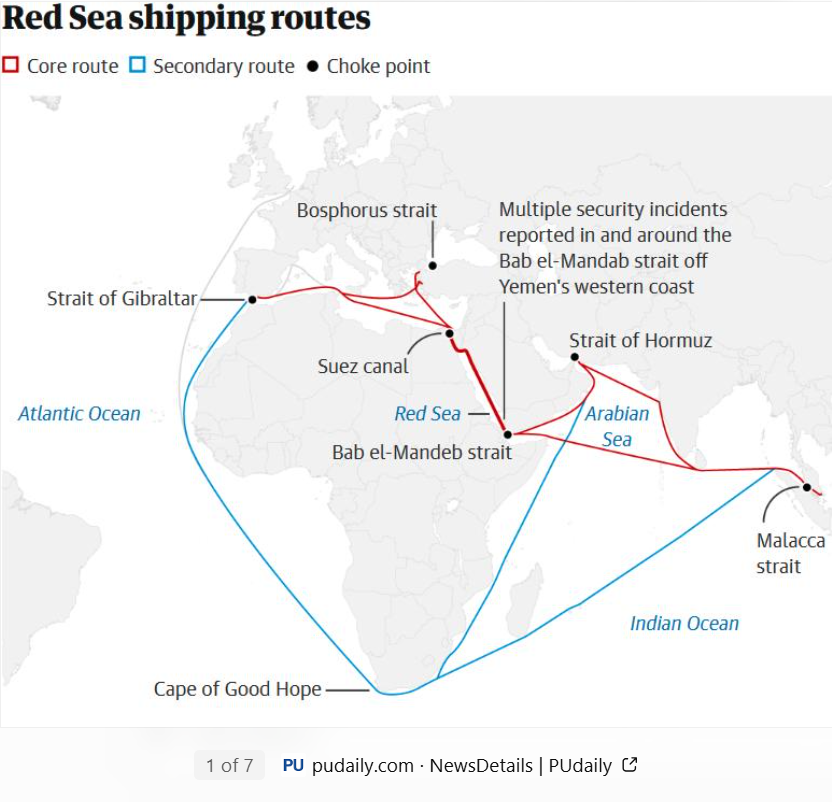
This alternative route created several major challenges:
⏳ Longer transit times: Asia–Europe voyages could take approximately 10–14 additional days, depending on the service and port rotation.
💰 Higher operating costs: Longer sailing distances increased fuel consumption, crew expenses and vessel operating costs.
📦 Reduced effective shipping capacity: Longer round-trip voyages required carriers to deploy additional vessels to maintain service frequency.
⚠️ Higher insurance and war-risk costs: Security-related surcharges and insurance premiums added further pressure to ocean freight rates.
2. WHAT IS CHANGING IN NOVEMBER 2026?
Following improving security signals and the successful return of selected vessels, major shipping lines are gradually adjusting their operational strategies.
Key developments include:
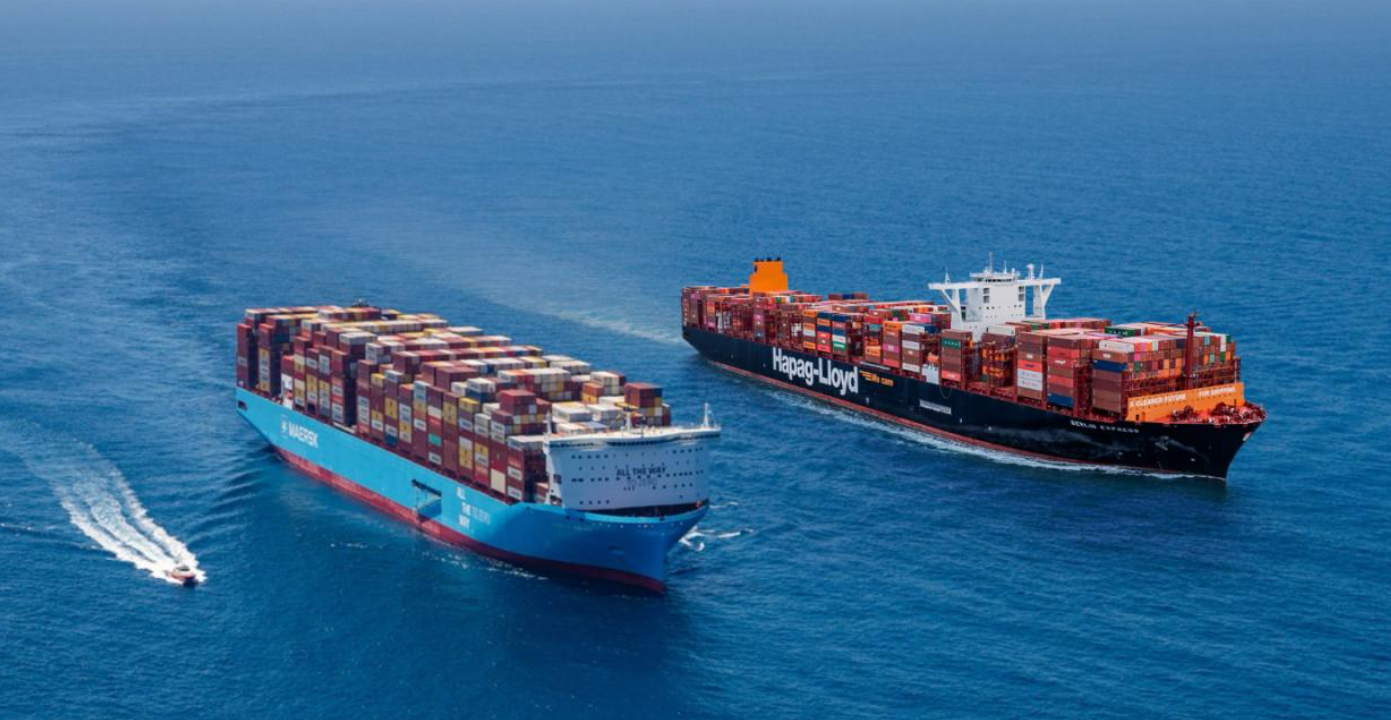
Maersk & Hapag-Lloyd: Gradually expanding the return of selected Gemini services to the Suez route. On November 2, Maersk announced that another jointly operated service with Hapag-Lloyd would resume Suez Canal sailings.
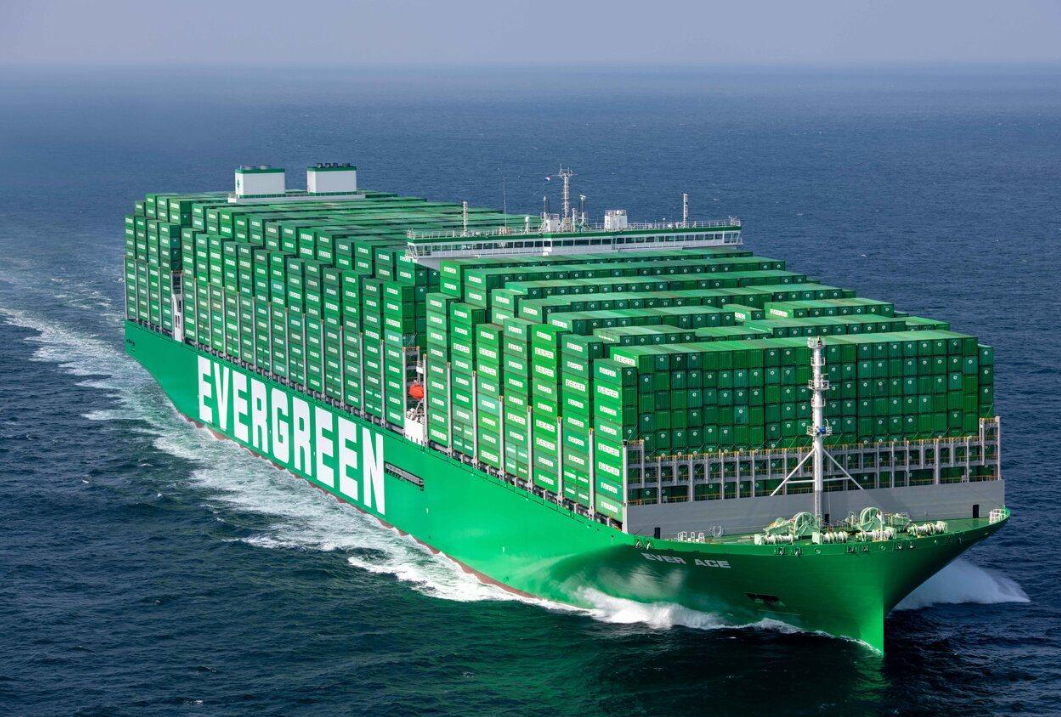
Evergreen: Expected to send Ever Eon and Ever Edit through the Suez Canal in November on the NEU7/CES service.
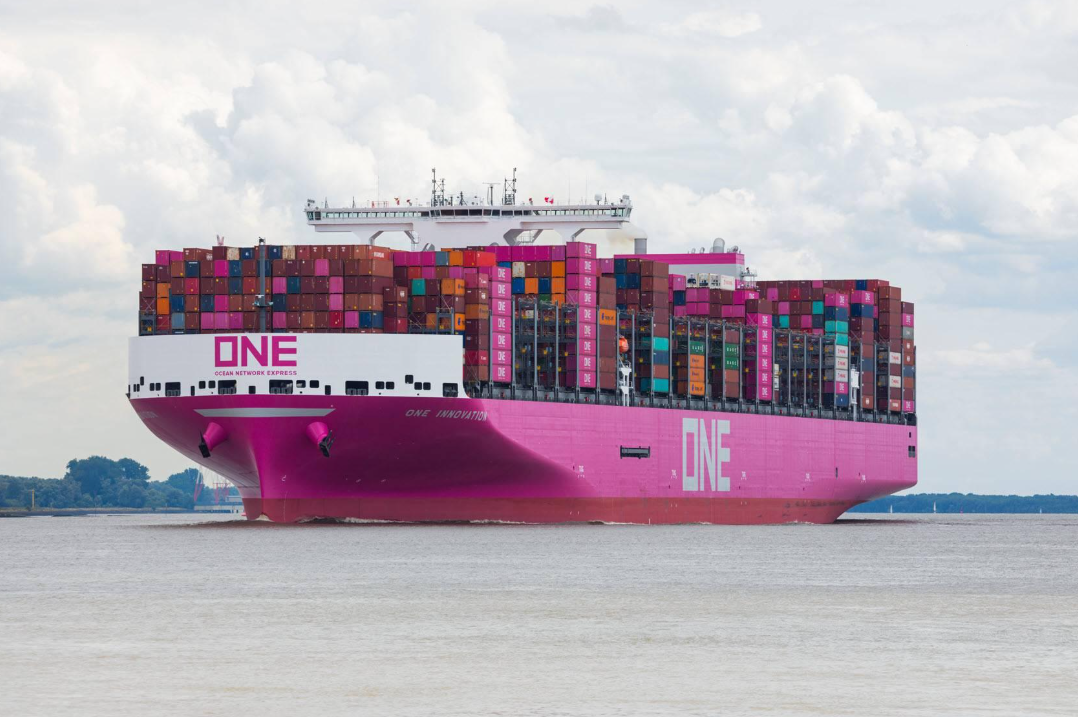
Premier Alliance (ONE, HMM and Yang Ming): Expected to resume selected MD1 service sailings via Suez from mid-November.
MSC: Has also started sending selected vessels back through the canal.
Industry forecasts suggest that most major container shipping networks could restore their Suez operations by early 2027. However, the return remains selective, and not all services have resumed their original routes.
3. HOW MUCH HAS SUEZ CANAL TRAFFIC RECOVERED?
According to container vessel tracking data from Kpler Container Intelligence, published by MarineTraffic, monthly container ship transits through the Suez Canal in 2026 were as follows:
January: 170 transits.
June: 141 transits.
July: 218 transits.
August: 227 transits.
September: 253 transits.
This represents a 62.2% increase in September compared with June 2026.
According to the World Resources Institute, average daily vessel traffic through the Suez Canal reached approximately 43.2 transits per day during October 1–25, 2026, equivalent to around 57% of the pre-crisis level recorded in June 2023.
Another important figure from the Suez Canal Authority shows that 598 container ship transits were recorded in Q3 2026, representing a 47.7% increase compared with Q2.
These figures indicate a clear recovery in Suez Canal traffic. However, activity remains below pre-crisis levels.
4. WHAT DOES THIS MEAN FOR THE FREIGHT FORWARDING INDUSTRY?
1. Potentially shorter transit times
Asia–North Europe and Asia–Mediterranean services could benefit from shorter sailing distances as vessels gradually return to the Suez route instead of sailing around Africa.
2. Increased effective shipping capacity
With shorter round-trip voyages, vessels can complete more rotations within the same period. This allows carriers to optimize fleet deployment and release additional shipping capacity.
3. Potential downward pressure on ocean freight rates
As more carriers return to the Suez Canal, additional capacity may become available in the market. If shipping demand does not grow at the same pace, freight rates on Asia–Europe routes could face downward pressure.
However, an immediate decline in freight rates is not guaranteed. Insurance premiums, security surcharges, fuel prices, peak-season demand and geopolitical developments will continue to influence the market.
5. IS THIS A TURNING POINT FOR GLOBAL SHIPPING?
The gradual return of major shipping lines to the Suez Canal could mark an important transition for the global container shipping industry.
For importers and exporters, this may bring shorter transit times and more competitive shipping options.
For freight forwarders, it is essential to closely monitor carrier schedules, routing changes, transit times and freight rate adjustments to provide customers with the most suitable shipping solutions.
Nevertheless, security remains a key concern. The return of selected vessels does not necessarily mean that the entire shipping corridor is fully safe and stable.
🌐 The shipping map is changing again. Will the return to the Suez Canal bring shorter transit times, more available capacity and a new wave of freight rate adjustments?
Stay tuned for further developments!
Bunny Logistics Vietnam is ready to support businesses with reliable logistics solutions, including:
🚢 Ocean Freight – FCL/LCL
🚛 Inland Trucking
🛃 Customs Clearance
📄 Documentation
🌏 End-to-end logistics solutions from/to Hai Phong and international ports
Bunny Logistics Vietnam – Connecting Vietnam with Global Trade.