CONSECUTIVE TYPHOONS PUT CHINA’S PORTS UNDER PRESSURE: WHAT DOES THIS MEAN FOR LOGISTICS?
Bunny > News > CONSECUTIVE TYPHOONS PUT CHINA’S PORTS UNDER PRESSURE: WHAT DOES THIS MEAN FOR LOGISTICS?
It was not just one typhoon. A series of tropical cyclones in August 2026 caused widespread disruptions to port operations and transportation across China.
From Bavi, Noul, Dolphin, Narra to Saudel, the consecutive storms forced vessels to seek shelter, temporarily suspended terminal operations and disrupted sailing schedules. As a result, vessel queues and container backlogs continued to build up, particularly in the Shanghai–Ningbo area.
🌪️ DOLPHIN – A MAJOR BLOW TO EASTERN CHINA
On August 9, Typhoon Dolphin made landfall in Zhejiang with maximum winds of around 151 km/h, becoming the strongest typhoon to affect China in 2026 at that time.
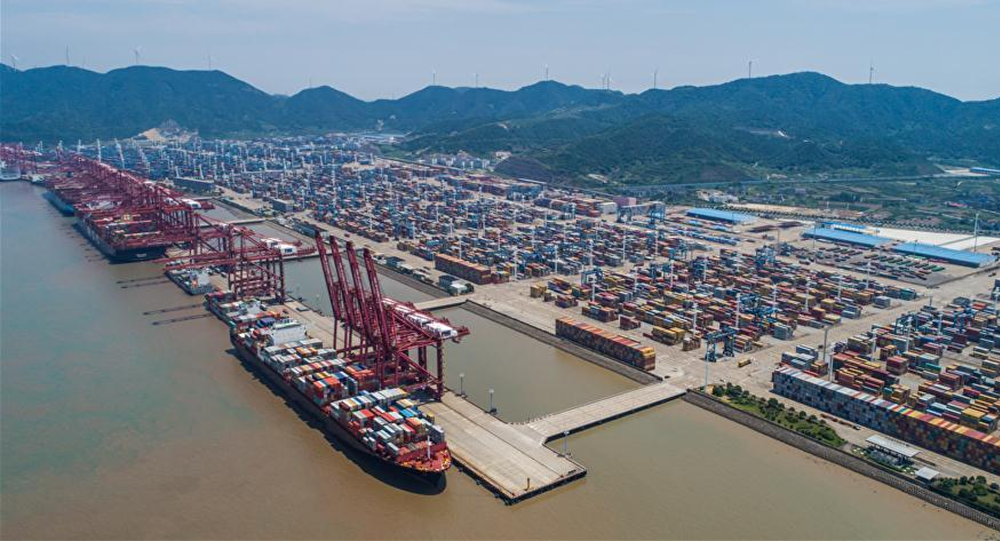
(Typhoon Dolphin | Zhejiang – Shanghai – Ningbo | Aug 2026)
Before and after landfall:
📍 Shanghai and Ningbo temporarily suspended or restricted port operations.
🚢 Around 2.4 million TEUs of container vessel capacity in North Asia were disrupted or delayed.
⏳ Shipping experts warned that it could take several weeks to fully clear the accumulated vessels and cargo.
✈️ In Shanghai alone, approximately 943 flights were cancelled on August 10, representing nearly 40% of scheduled flights. Around 1,300 flights had already been cancelled the previous day.
Dolphin also brought exceptionally heavy rainfall across several inland provinces of China. Taizhou recorded average rainfall of around 438 mm, while some weather stations reported record daily rainfall.
🌧️ NARRA – BACKLOG HAD NOT CLEARED BEFORE THE NEXT STORM ARRIVED
By the end of August, Typhoon Narra continued to affect southern China, particularly Guangxi and Hainan.
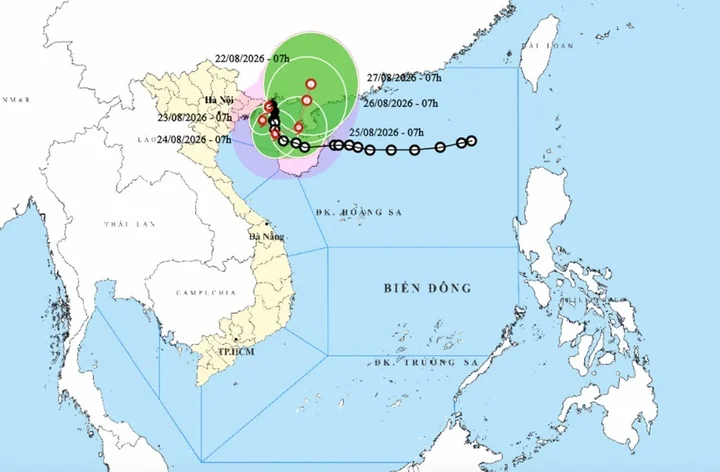
(Typhoon Narra | Southern China | Aug 2026)
On August 25, ferry services across the Qiongzhou Strait in Hainan were suspended, while Chinese authorities activated emergency response measures due to heavy rain and flood risks.
Narra added further pressure to cargo backlogs created by the earlier storms.
As of August 25, total container capacity being held up at ports worldwide had reached approximately 4.3 million TEUs, exceeding the roughly 4 million TEU peak recorded during the COVID-19 period in 2022.
Of this total, North Asia accounted for approximately 2.2 million TEUs.
🌀 SAUDEL – ANOTHER BLOW TO SHANGHAI & NINGBO
While ports were still working to clear backlogs caused by Dolphin and Narra, Typhoon Saudel moved toward China’s eastern coast.
On August 28, Saudel made two landfalls in Zhejiang:
📍 Taizhou: around 08:05
📍 Wenzhou: around 09:10
More than 820,000 people in Wenzhou were evacuated, while several railway services, ferry routes and coastal activities were suspended.
For the logistics industry, the situation was particularly significant:
⚓ Ningbo Port closed from the evening of August 26.
⚓ Shanghai Port closed from the morning of August 27.
The closures forced vessels to wait offshore or adjust their schedules, while backlogs from previous storms had not yet been fully cleared.
🚢 THE IMPACT IS NOW CLEARLY REFLECTED IN VESSEL SCHEDULES
By September 1, Shanghai and Ningbo had resumed operations, but congestion had not yet been fully resolved.
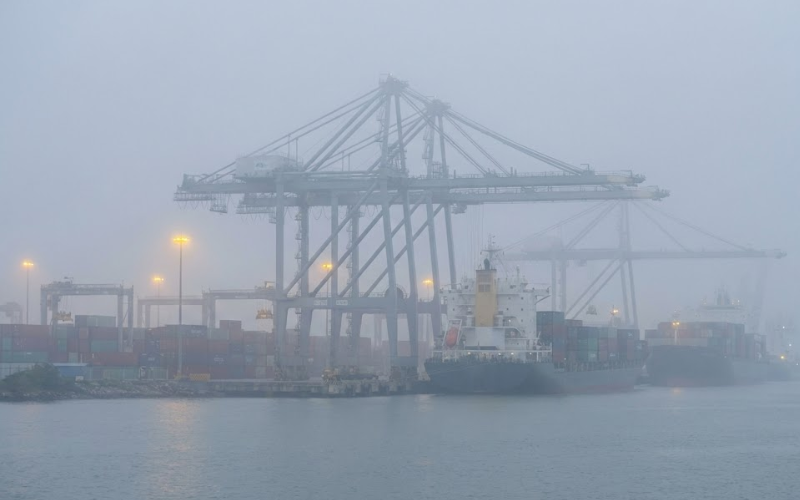
(Vessel Delay | Berthing Delay | Rolled Cargo)
According to Linerlytica:
🔴 Vessel waiting times at Shanghai and Ningbo reached around 10 days at certain points.
🔴 Approximately 3.92 million TEUs were being affected by bottlenecks across the global port network.
🔴 Around 11% of the global container fleet was being impacted.
🔴 North Asia accounted for approximately 54% of global container congestion, with around 2.5 million TEUs of vessels waiting for berths.
The key point is:
Port reopening ≠ an immediate return to normal operations.
Once ports reopen, a large number of vessels may return at the same time, creating vessel bunching and putting additional pressure on berths and terminals.
This may continue to result in:
➡️ Berthing delays
➡️ Terminal congestion
➡️ Equipment imbalance
➡️ Rolled cargo
➡️ Blank sailings / Port omissions
➡️ Revised ETD/ETA
➡️ Trucking and warehouse delays
The domino effect can also continue to spread to subsequent ports along the same service route.
📈 FREIGHT RATES MAY COME UNDER FURTHER PRESSURE
Congestion reduces effective vessel capacity — meaning actual available transport capacity decreases even when the total number of vessels in the market remains unchanged.
Before Saudel made landfall, the SCFI recorded the following freight rates from Shanghai:
🇺🇸 Shanghai → US West Coast: approximately USD 6,765/40ft
🇺🇸 Shanghai → US East Coast: approximately USD 9,700/40ft
Freight rates on Transpacific routes continued to be supported by capacity constraints and congestion at Chinese ports.
🔮 WILL THE RISK END IN SEPTEMBER?
Not yet.
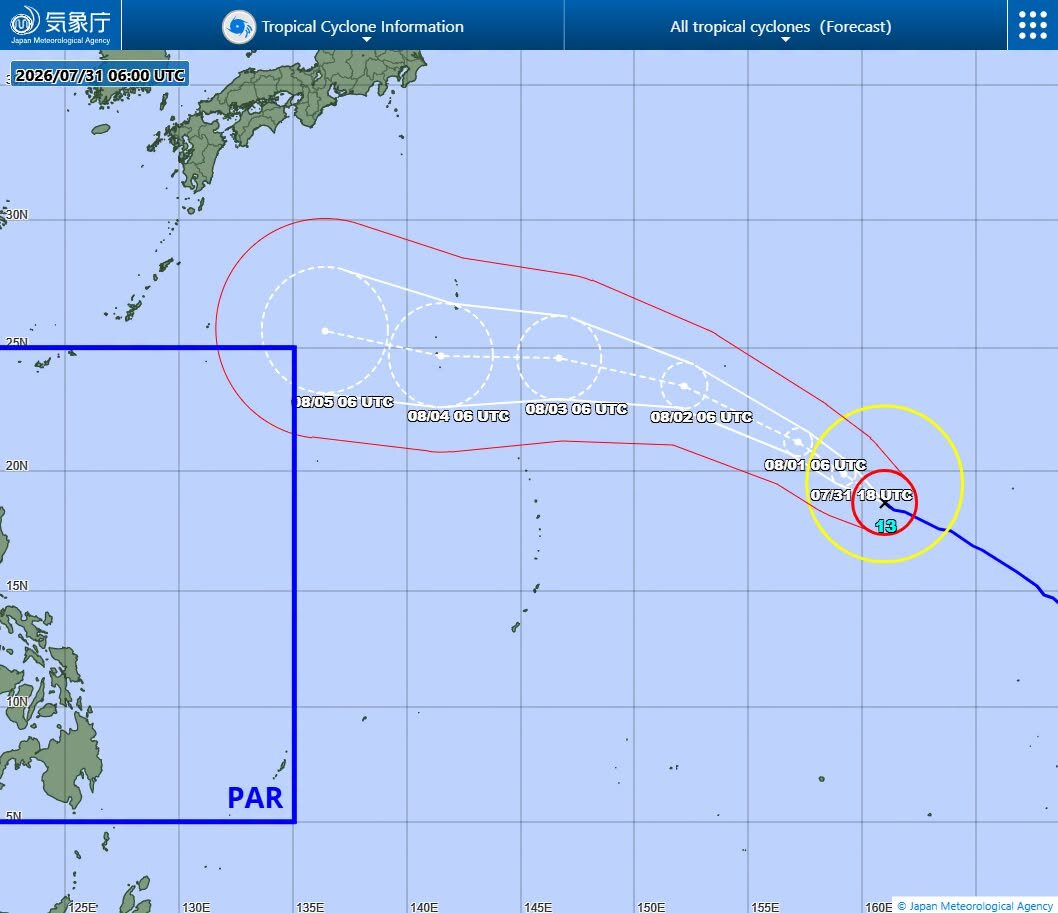
According to the Hong Kong Observatory, during the first half of September 2026, low-pressure areas are expected to continue affecting the central and northern South China Sea, creating favorable conditions for the formation or development of tropical disturbances and cyclones.
Notably, after weakening, Saudel redeveloped into a tropical storm over the South China Sea on September 2.
This means importers and exporters should continue to closely monitor weather conditions and port operations in the coming weeks.
📌 WHAT SHOULD IMPORTERS AND EXPORTERS DO?
For shipments from China to Vietnam, especially via Shanghai / Ningbo / Xiamen / Shenzhen, businesses should:
✅ Check the latest ETD/ETA instead of relying solely on the original schedule.
✅ Confirm CY Opening / CY Closing / SI & VGM Cut-off.
✅ Monitor empty container availability.
✅ Allow additional time for trucking and terminal handling.
✅ Check the possibility of cargo rolls / vessel omissions.
✅ For urgent shipments, consider alternative sailings or alternative ports.
🌏 A TYPHOON MAY LAST ONLY A FEW DAYS — BUT THE BACKLOG CAN TAKE WEEKS TO CLEAR.
The key question is not only:
❓ “Has the port reopened?”
but rather:
👉 “How long will it take for the port to clear all the vessels and containers that have accumulated?”
The sequence of Bavi → Noul → Dolphin → Narra → Saudel in August 2026 highlights how vulnerable global supply chains remain to extreme weather events.
📩 If your business has shipments from China → Vietnam and you need support checking vessel schedules, congestion, space or freight quotations, please send us your POL/POD + expected ETD. We will be happy to assist and recommend the most suitable transportation solution.
#Logistics #Shipping #ChinaPorts #PortCongestion #Typhoon #Dolphin #Saudel #Narra #ShanghaiPort #NingboPort #ContainerShipping #FreightForwarding #SupplyChain #VietnamLogistics #OceanFreight