Vietnam Takes a Proactive Stance in the Rice Market
Bunny > News > Vietnam Takes a Proactive Stance in the Rice Market
Following the Philippines’ decision to suspend rice imports for 60 days starting September 1, 2025, the Ministry of Industry and Trade (MOIT) issued Official Dispatch No. 6600/BCT-XNK to provincial People’s Committees, the Vietnam Food Association, and rice export businesses.
The suspension applies to regular milled rice and well-milled rice (excluding specialty rice varieties not widely produced by local farmers). The Philippine Department of Agriculture stated the measure aims to protect domestic farmers facing low paddy prices during the peak harvest season, especially as the country’s rice reserves remain sufficient at 2.815 million tons, supported by August imports and a record-high rice harvest of 9.077 million tons in the first half of 2025.
Since 2022, Vietnam’s rice exports to the Philippines have consistently exceeded 3 to 4 million tons annually. The Philippines’ suspension of imports could affect global rice prices and major exporting countries, including Vietnam.
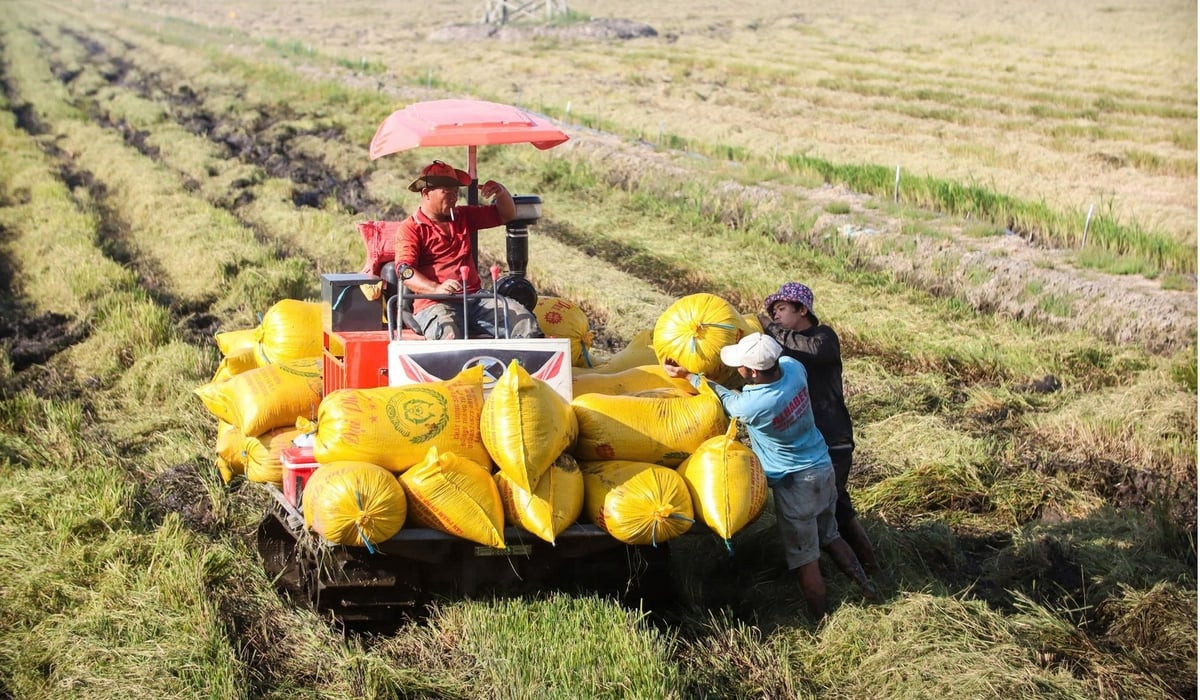
Pic: Rice harvest in Long An
In the first eight months of 2025, Vietnam exported 6.3 million tons of rice worth USD 3.17 billion, representing a 2.2% increase in volume but a 17.5% drop in value compared with the same period in 2024. The Philippines remains Vietnam’s largest rice buyer, accounting for 42.4% of the market share. The average export price in the first eight months of 2025 was estimated at USD 504.9/ton, down 19.3% year-on-year. To meet the 2025 target of exporting about 8 million tons of rice worth USD 5.7 billion, Vietnam’s rice industry faces significant challenges.
In response, MOIT advised rice exporters to remain calm and prudent, avoiding hasty or indifferent reactions to policy developments in global rice markets. Along with maintaining traditional markets, businesses are urged to proactively explore and develop new potential markets to spread risks and improve adaptability.
At the same time, enterprises are encouraged to continue purchasing rice for temporary storage to support farmers and stabilize the domestic market. The Vietnam Food Association is also tasked with closely coordinating with the Philippine Rice Importers Association to monitor and respond flexibly to policy changes.
In the long run, Vietnam’s rice sector requires a comprehensive market strategy. In particular, it should focus on producing high-quality rice, organic rice, and low-emission “green” rice, while expanding deep processing of rice-based products to penetrate high-value markets such as the European Union, the United States, Japan, and the Middle East.
Source: https://nhandan.vn/chu-dong-tren-thi-truong-lua-gao-post909045.html